
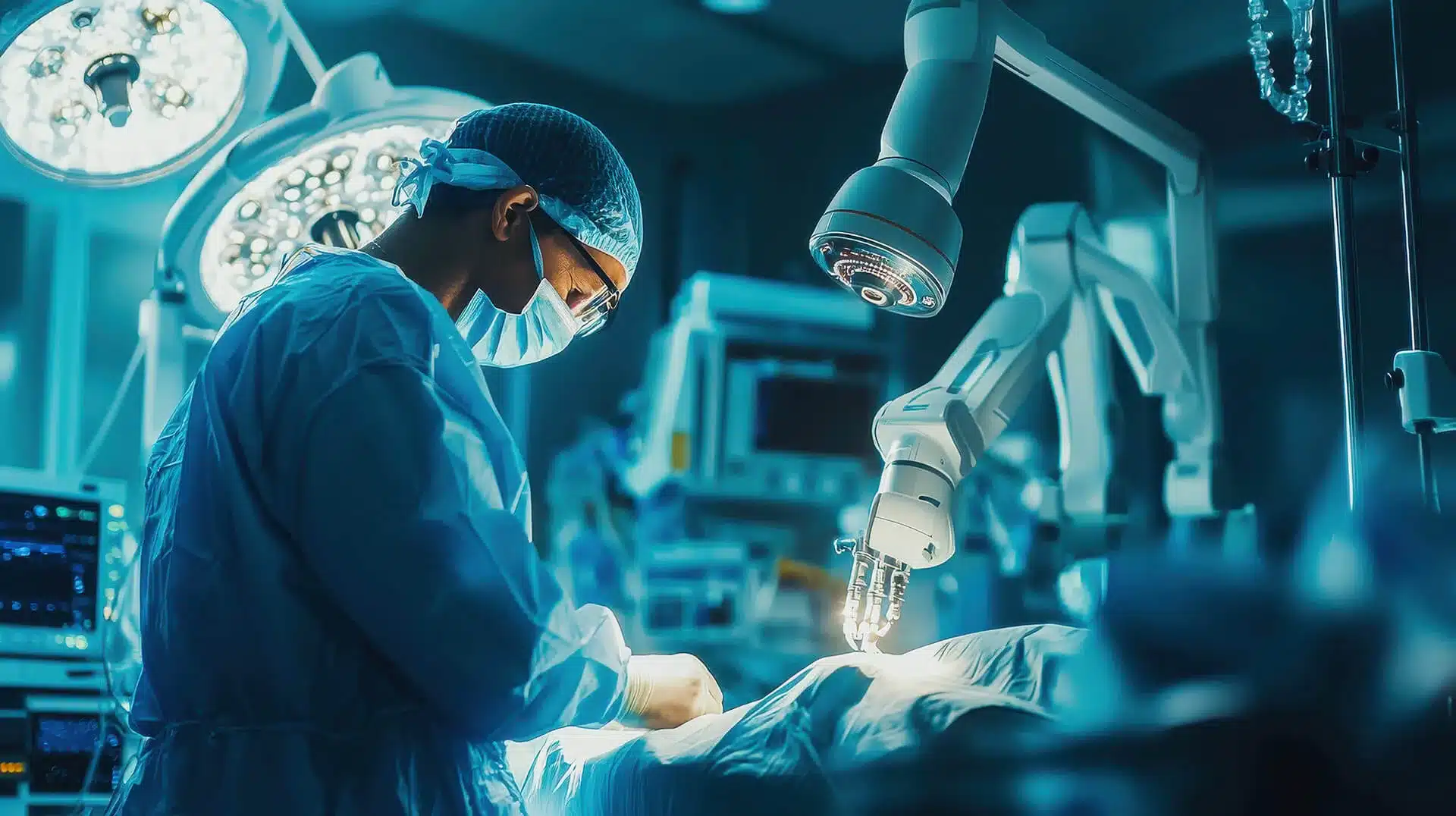

Artificial intelligence is steadily becoming one of the quiet forces reshaping medical and pharmaceutical manufacturing. In a field where accuracy, repeatability, and compliance are non-negotiable, AI is emerging as an essential tool rather than an experimental add-on.
Production environments deal with constant variation — ingredients that behave differently from batch to batch, shifts in temperature or humidity, and manual processes that introduce unavoidable inconsistencies. AI helps bring stability to these unpredictable elements. Instead of replacing human expertise, it enhances it by providing a deeper understanding of what’s happening in real time and guiding teams toward more reliable outcomes.
Smarter Systems That Evolve With Your Processes
AI stands out because it adapts. Traditional automated systems follow fixed instructions, but machine learning technology continually improves as it analyzes new data. Over time, it becomes more accurate at identifying emerging trends and making proactive recommendations.
Its value shows clearly in areas such as equipment health and process optimization. AI-driven monitoring can detect early signs of machine stress or component fatigue, prompting maintenance before breakdowns occur. Likewise, when production parameters drift, AI can alert teams or automatically adjust settings to keep operations steady. These capabilities reduce downtime, safeguard batch consistency, and significantly cut waste.
AI also strengthens supply chain performance. By evaluating global conditions, ordering patterns, and inventory levels all at once, it can anticipate disruptions and guide smarter planning — something that’s increasingly important in today’s complex distribution landscape.
Supporting Compliance Without Slowing Progress
Any innovation in the pharmaceutical world must respect strict regulatory frameworks, and AI helps ease that burden. Natural language processing tools can interpret dense regulatory documents, highlight relevant passages, and support teams in staying aligned with current standards.
Automated data logging and traceability systems ensure that every step in production is documented, which simplifies audits and boosts confidence in compliance. Rather than complicating workflows, AI makes it easier to move quickly while still meeting every requirement.
As AI continues to evolve, it will become even more deeply integrated into manufacturing. Its role isn’t about replacing people — it’s about building a smarter, more responsive production environment that sets the stage for long-term efficiency and reliability.
For additional insight into how AI is redefining standards in pharmaceutical production, explore the visual guide accompanying this article from Advanced Technology Services, a provider of machine health monitoring systems.