

Technology has become the quiet infrastructure behind everyday work and home life. Computers, wireless networks, cloud applications, printers, backups, security tools, and communication systems are expected to work together with little friction. When one piece fails, the problem can interrupt productivity far beyond a single device.
That is why modern IT support is moving beyond the old break-fix model. The service is increasingly about combining troubleshooting, remote assistance, cybersecurity, network management, data protection, and clear communication into a support experience. Layer 2 Computers provides IT services for businesses and residential customers in the Dayton, Ohio, and Warren County area, with support available through remote sessions, onsite visits, and drop-off or pickup options.
Remote Support Is Changing How Fast Everyday Problems Can Be Solved
One of the most useful innovations in IT support is not flashy hardware. It is the ability to diagnose and resolve many problems remotely. Screen-sharing tools allow a technician to see what the customer sees, investigate software problems, adjust settings, explain unfamiliar features, and work through many common issues without requiring the computer to leave the home or office.
Remote service can be especially practical for software errors, configuration problems, questions about applications, and troubleshooting that does not require physical access to a device. It can also be useful when someone needs guidance rather than a repair. A technician can walk through a process while the customer remains at the computer, turning support into both a fix and a learning opportunity.
Layer 2 Computers lists remote support as one of three ways it assists home computer users, alongside onsite service and drop-off or pickup arrangements. That range reflects an important development in technology service: the method of support can be matched to the problem instead of forcing every issue into the same repair process.
For physical problems, professional laptop repair remains important because damaged components, startup failures, screen problems, and other hardware issues may require direct inspection.
The smartest support model is therefore flexible. Remote tools can solve what can be handled digitally, while hands-on service remains available when a device, cable, wireless environment, or other physical component needs attention.
Proactive IT Support Can Address Problems Before They Become Bigger Interruptions
Traditional computer repair often begins after something has already stopped working. Modern managed IT support takes a broader approach by looking at the systems a business depends on every day and trying to reduce avoidable disruption.
Layer 2 Computers currently lists managed IT services, cybersecurity, data backup, business networking, IT help desk support, cloud services, and VoIP phone services among its business technology offerings. These services cover several parts of the technology environment rather than concentrating only on individual computers.
That matters because many technology problems are connected. Slow performance may originate with a computer, but it could also involve the network, an application, storage, security software, or an internet connection. A backup problem may not be visible during normal work but can become critical when data needs to be recovered. An unreliable wireless network can make perfectly good laptops feel slow.
Proactive support encourages businesses to think about maintenance, monitoring, security, backups, network reliability, and user assistance as related responsibilities. Instead of waiting for a major outage, routine support can identify smaller issues and keep technology aligned with the way employees actually work.
This does not mean every problem can be predicted. Hardware still fails, software updates can create unexpected behavior, and users will always have questions. The innovation is in having a support structure that can respond to those issues while also paying attention to the overall technology environment.
Cybersecurity and Backup Are Becoming Core Parts of Everyday IT Service
Security used to feel like a specialized subject separate from ordinary computer support. That distinction is becoming less useful. Malware, phishing, account compromise, lost devices, ransomware, and accidental file deletion can affect the same computers and networks people rely on for routine work.
Layer 2 Computers includes cybersecurity and data backup among its managed business services and also offers security and backup help for home users. Its business service information emphasizes layered security practices along with automated, monitored, and tested backups.
The idea of layers is important. No single security product can eliminate every risk. Stronger protection comes from combining appropriate controls, maintaining systems, educating users, managing access, and keeping recoverable copies of important data. Backup is especially valuable because prevention and recovery solve different problems. Security measures try to reduce the likelihood of an incident, while backups help create a path forward if information is lost or damaged.
For individuals, this can mean protecting personal documents, photos, schoolwork, or financial information. For businesses, the stakes may also include customer records, shared files, operational documents, and systems employees need to keep working.
Modern IT support increasingly treats security and recovery planning as normal parts of maintaining technology, not optional add-ons that only matter after a serious incident occurs.
Better Networks Are Becoming as Important as Better Computers
Buying a faster computer does not automatically create a faster technology experience. Applications increasingly depend on internet access, cloud services, shared storage, online communication, and wireless connectivity. If the network is unreliable, even powerful devices can feel frustrating.
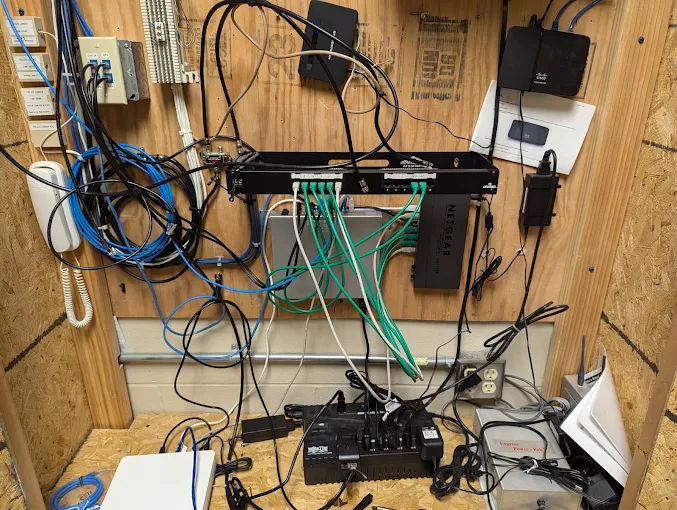
Layer 2 Computers offers business networking services and home Wi-Fi support. Its home service page specifically addresses poor Wi-Fi signal and slow wireless performance, while its business services include network solutions intended to support reliable, connected operations.
Network support can involve more than replacing a router. Coverage, interference, device placement, cabling, configuration, security, and the number of connected devices can all influence performance. Homes now commonly connect computers alongside televisions, phones, tablets, printers, cameras, smart speakers, and other devices. Businesses may add workstations, phones, printers, servers, cloud platforms, guest access, and remote workers to the mix.
This creates a shift in how people think about IT support. The computer is still important, but it is one part of a larger system. Troubleshooting therefore needs to consider the path between the user, device, network, internet connection, and service being accessed.
A reliable network becomes the foundation that allows newer tools to deliver their intended benefits.
Personalized Repair Still Matters in an Increasingly Automated Industry
Automation can make technology support faster, but users still need clear explanations and practical judgment. A diagnostic tool may identify an error, yet someone still has to determine whether repairing a device makes sense, whether an upgrade would improve performance, or whether replacement is the more sensible option.
Layer 2 Computers says its approach emphasizes simplicity, transparency, and communication in plain English. Its home services include virus removal, computer repair, tune-ups, new computer setup, Windows error troubleshooting, printer assistance, hardware issues, wireless networking, and internet troubleshooting.
Customers exploring PC Repair can also review service options for home computers, including troubleshooting, upgrades, custom computers, security, backup, and several ways of receiving support.
Personalization is particularly useful because two people can experience the same technical symptom for completely different reasons. A slow computer could be struggling with unwanted software, storage limitations, aging hardware, background processes, or network performance. Effective support starts by diagnosing the real cause rather than applying the same generic fix to every machine.
That human element also matters when technology decisions involve tradeoffs. A repair may be technically possible but financially unwise on an aging system. An expensive upgrade may be unnecessary for someone with basic needs. Good IT service translates technical possibilities into practical choices.
Smarter IT Support Connects People, Devices, and Long-Term Reliability
The future of IT support is not simply faster repair. It is a more connected model that recognizes how many parts of modern life depend on technology working together. Remote assistance can resolve many issues without moving a device. Managed services can help businesses maintain broader systems. Cybersecurity and backup provide layers of protection and recovery. Network support keeps connected tools usable, while hands-on repair remains essential for physical and device-specific problems.
What makes these services valuable is the combination. A computer does not exist separately from the network it uses, the data it stores, the applications it runs, or the people who depend on it. Modern support works best when those relationships are considered together.
For homes, that may mean keeping computers, Wi-Fi, printers, security tools, and backups functioning with less frustration. For businesses, it can mean supporting employees while maintaining networks, security, communications, cloud services, and recovery plans.
Technology will keep changing, and support methods will change with it. The most useful innovation, however, may be a straightforward one: making technical help easier to access, easier to understand, and better matched to the actual problem. When responsive service and modern tools work together, IT support becomes less about reacting to breakdowns and more about keeping people connected, productive, and prepared for what comes next.